
From 2 to 11 June 2026, young people from Slovakia, Italy, Romania, Hungary, Germany, Spain and Lithuania came together in Lendak, Slovakia, for the Erasmus+ training course Skills Swap, an international learning experience designed to strengthen competences, encourage peer learning, and promote the exchange of good practices in youth work.
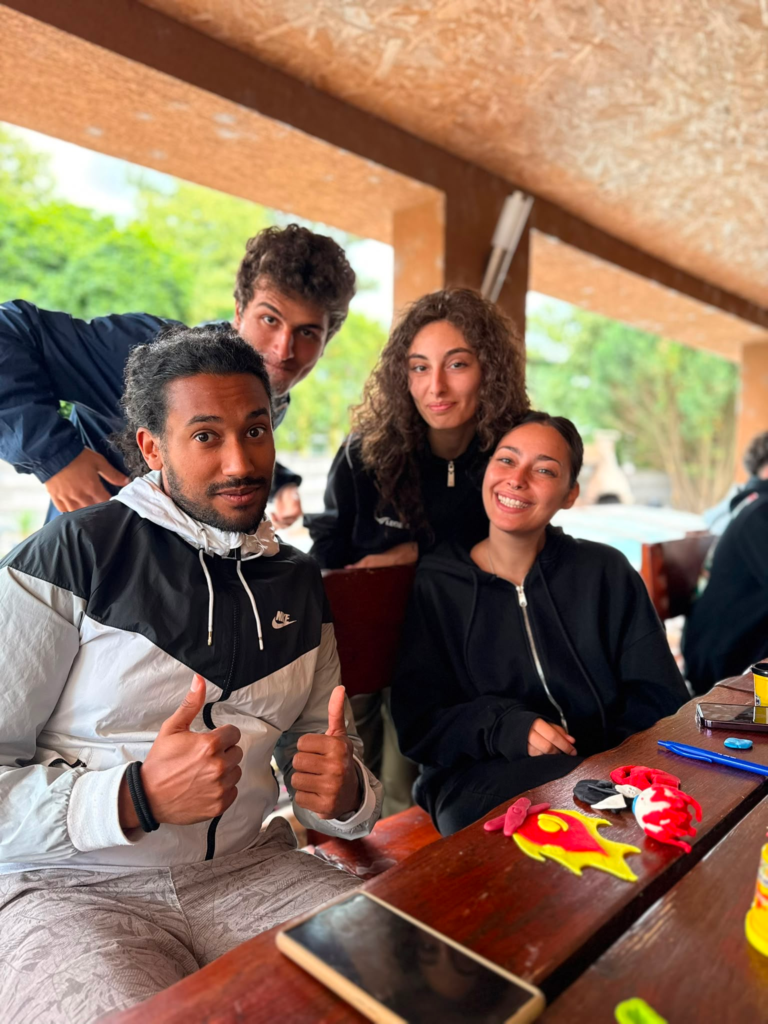
Bringing together participants with diverse educational, professional and cultural backgrounds, the training course created a dynamic environment where learning happened through experience, cooperation and active participation. Throughout the programme, participants explored key topics relevant to contemporary youth work, including project management, mental health and wellbeing, community engagement, inclusion, sustainability and youth participation.
Using non-formal education methods, participants engaged in workshops, simulations, discussions, group work, reflection activities and peer-learning exercises. These approaches encouraged participants not only to gain new knowledge but also to develop practical skills that can be transferred into their local communities and professional environments.
The first days of the training focused on getting to know each other, building trust and creating a positive learning environment. Through interactive activities and team-building exercises, participants established strong connections and laid the foundation for successful cooperation throughout the project.
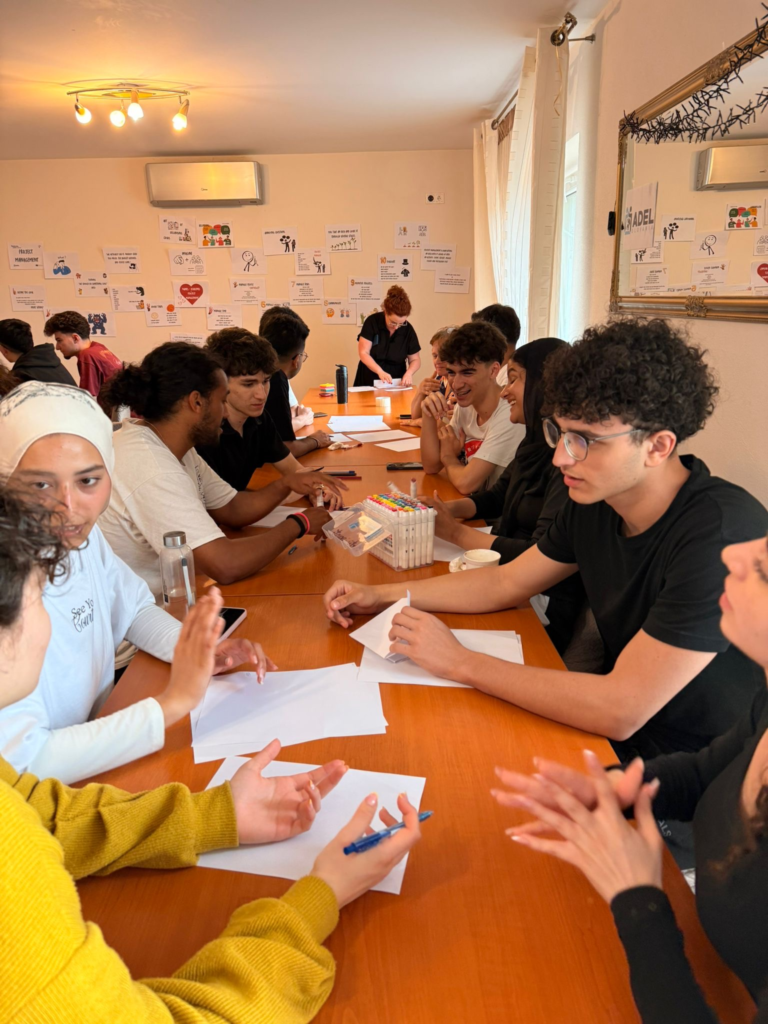
One of the highlights of the programme was the exchange of thematic workshops led by international teams. Participants explored the role of cooperative games in youth work, discussed mental health and wellbeing among young people, examined challenges faced by different communities and reflected on how youth workers can create more inclusive and supportive environments. Through these activities, participants shared experiences from their countries, compared approaches and discovered innovative methods that can be adapted to different local contexts.
The training course also provided opportunities to explore the cultural heritage of Slovakia. During a study visit to the city of Nitra and its historic castle, participants experienced local culture while strengthening intercultural understanding and friendships beyond the workshop room. Such experiences are an important part of Erasmus+ projects, helping participants develop a broader European perspective and appreciation for cultural diversity.
A central aspect of Skills Swap was the focus on mutual learning. Rather than relying solely on traditional teaching methods, participants actively contributed their own knowledge, experiences and ideas. This collaborative approach reflected the core principles of Erasmus+ and non-formal education, where every participant is both a learner and a contributor.
As the training course came to an end, participants reflected on the skills, knowledge, and insights they gained throughout the week. Many highlighted increased confidence, improved communication and facilitation skills, stronger intercultural competences and a deeper understanding of contemporary challenges affecting young people across Europe.
The project demonstrated once again how Erasmus+ programmes create meaningful opportunities for young people to learn from one another, build bridges across cultures and develop the competences needed to address the challenges of today’s society.
Skills Swap was funded by the Erasmus+ Programme of the European Union.